Tibet Travel Guide
Everything You Need to Know
Before You Go
This comprehensive Tibet travel guide covers everything international travelers need to know — from the Tibet Travel Permit (TTP) application process and Chinese visa requirements to altitude acclimatization, monthly weather breakdowns, packing lists, and cultural etiquette for monastery visits. Compiled from 15+ years of on-the-ground experience by our Lhasa-based team of native Tibetan guides, this guide is updated for the 2026 travel season and includes country-specific information for travelers from India, Malaysia, Singapore, Thailand, and Nepal.
Tibet Permit Guide
Tibet has the most complex permit system in Asia — but don't worry. We handle every application so you can focus on the journey.
🛂 Tibet Travel Permit (TTP)
Required — All ForeignersThe Tibet Travel Permit (TTP) is the primary permit required for foreign travelers entering Tibet. Permit documentation is coordinated through a licensed travel agency for a confirmed itinerary; final approval remains with the relevant authorities. China entry and visa-free rules are separate from Tibet permit requirements. Check the National Immigration Administration's current visa-exemption list for China entry rules.
- Who needs it: All foreign passport holders (except Chinese nationals)
- Processing time: 15–30 working days (standard) / 10 days (expedited)
- Required documents: Clear color scan of your passport + Chinese visa
- Validity: Tied to your specific itinerary and dates
🪖 Alien's Travel Permit (Military Permit)
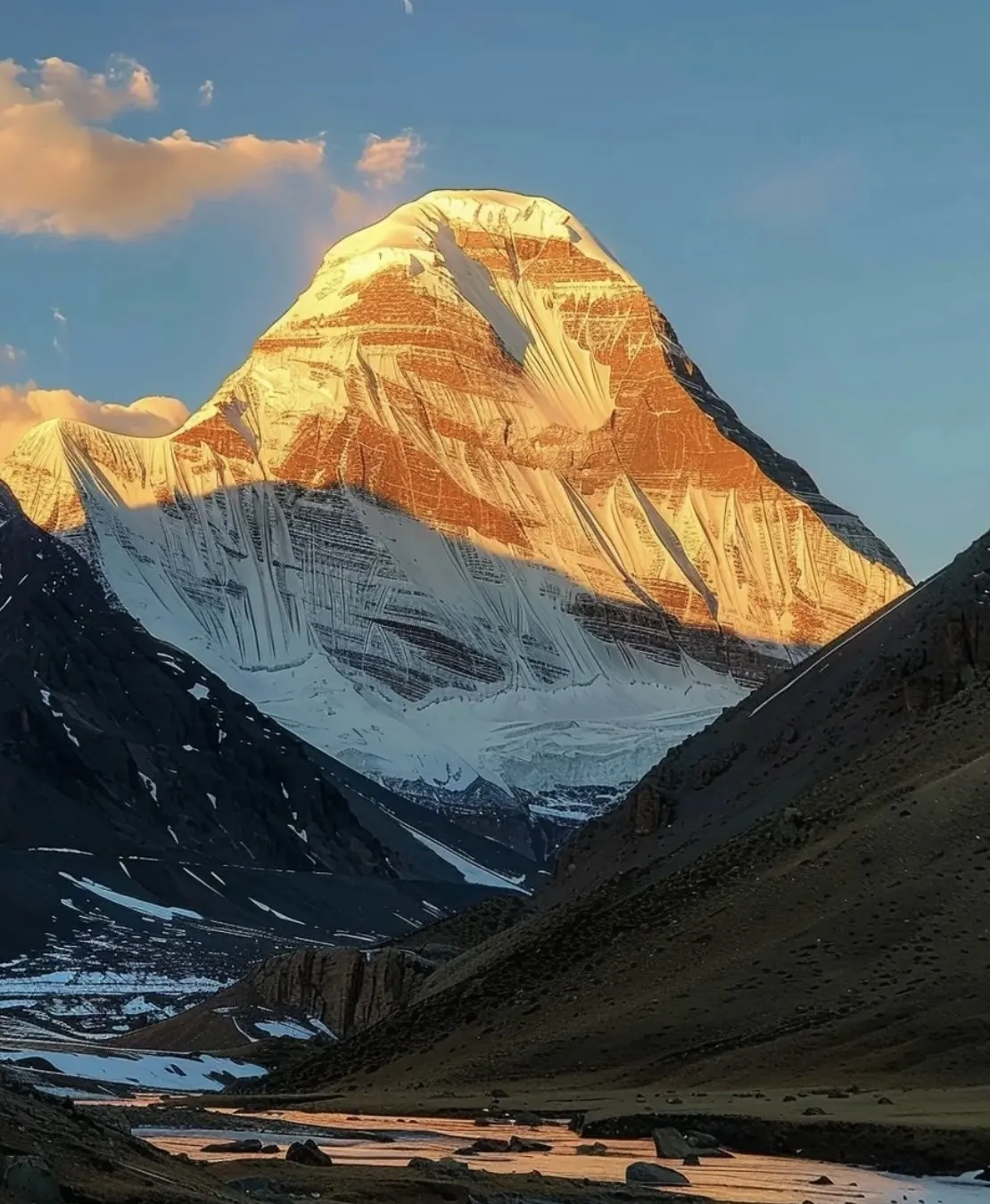
Required — Certain AreasAn Alien's Travel Permit (often called a Military Permit) is required if your itinerary includes areas beyond Lhasa, such as Everest Base Camp, Mt. Kailash, or the Nepal border region.
- Where needed: EBC, Shigatse, Ngari (Mt. Kailash), Nyingchi, border areas
- Who processes it: PSB (Public Security Bureau) — we handle this for you
- Processing time: 5–10 working days after TTP approval
- Note: Applied in Lhasa after you arrive — your guide manages this
📋 PSB Registration Form
Routine — Done on ArrivalUpon arrival in Tibet, all foreign visitors must register with the local Public Security Bureau (PSB). This is a routine formality that your guide handles during your hotel check-in.
- Completed at your Lhasa hotel upon arrival
- Your guide assists with the paperwork
- Required for all foreign visitors staying overnight
- No additional documents needed beyond your passport
⏳ Permit Process Timeline
Here's how the timeline works from application to departure:
| Step | Timeline | Details |
|---|---|---|
| 1. Booking Confirmed | Day 1 | You book your tour and send passport scan + visa copy |
| 2. TTP Application | Days 1–20 | We submit your TTP application to Tibet Tourism Bureau |
| 3. TTP Approved | Days 15–30 | Original TTP sent to your departure city (Chengdu, Beijing, etc.) |
| 4. Fly to Tibet | Day of travel | Show TTP at check-in counter and board your flight to Lhasa |
| 5. PSB Registration | Arrival Day | Guide handles PSB registration at your Lhasa hotel |
| 6. Military Permit | Day 2–3 | If needed, guide applies for Alien's Travel Permit in Lhasa |
💡 Pro tip: Apply at least 45 days before your planned travel date to ensure smooth processing.
Best Time to Visit Tibet
Tibet's high-altitude climate means dramatic seasonal contrasts. Choose the right season for your adventure style.
Spring
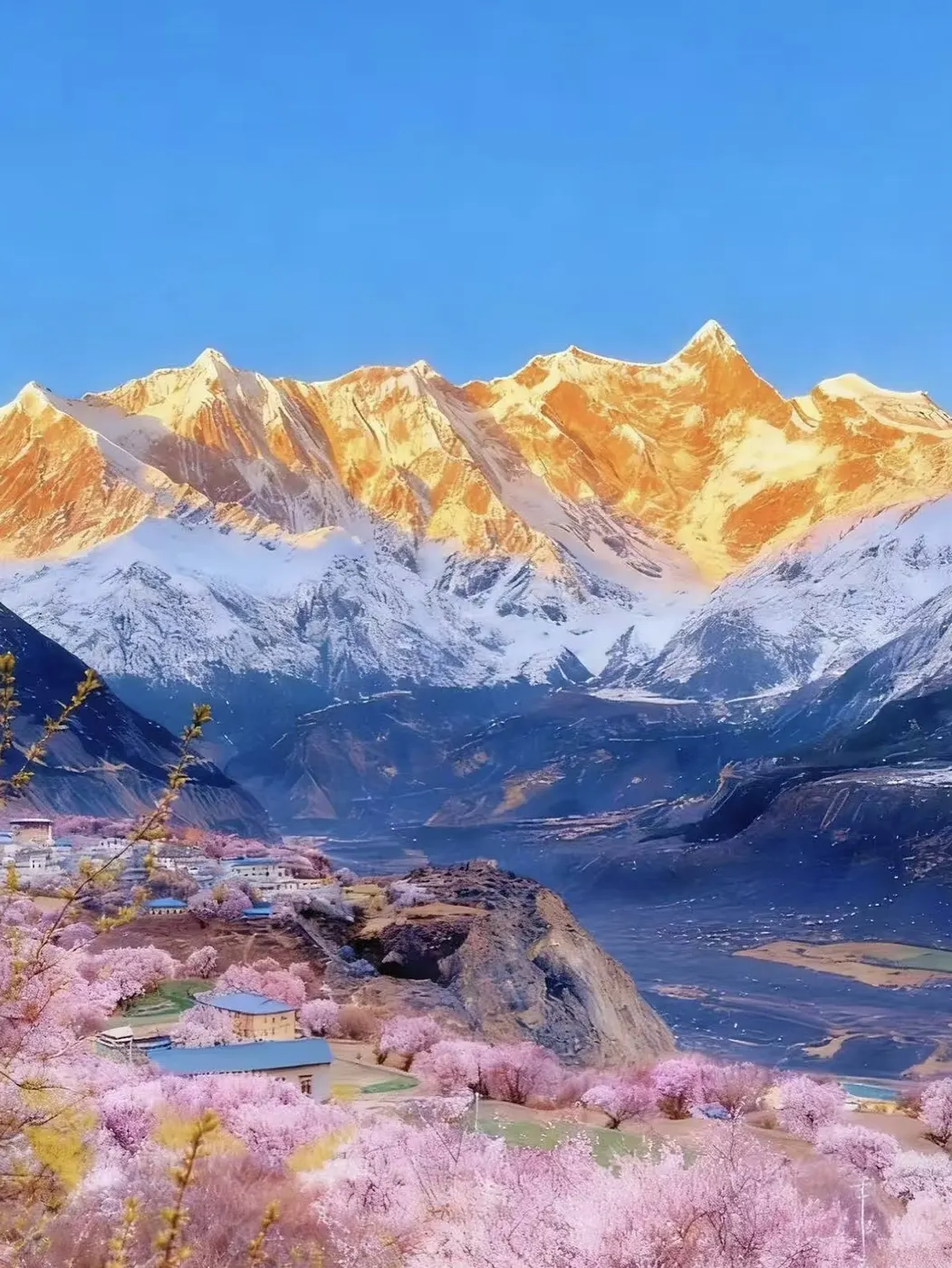
Lhasa warms up with clear skies and blooming peach trees. May is ideal for culture-focused trips. High passes may still be snow-covered.
Summer (Peak Season)
Warmest temperatures and the famous Shoton Festival (August). Monsoon brings afternoon rain. All routes open. Most popular — book early.
Autumn (Best Season)
Clear skies, stable weather, stunning golden landscapes. This is the absolute best time for trekking, Everest views, and photography. Our top recommendation.
Winter (Off-Season)
Very cold, especially at night. Many high passes and trekking routes are closed. Lhasa remains accessible with fewer tourists and lower prices.
📊 Monthly Weather Overview
📚 Wikipedia: Lhasa Climate · Wikipedia: Geography of Tibet
| Month | Avg Temp (°C) | Rainfall | Rating | Best For |
|---|---|---|---|---|
| January | -2°C / 7°C | Minimal | ❄️ Cold | Lhasa city only |
| February | 0°C / 9°C | Minimal | ❄️ Cold | Lhasa city only |
| March | 2°C / 12°C | Low | ❄️ Chilly | Early spring culture |
| April | 5°C / 15°C | Low | 🌸 Good | Cultural tours |
| May | 8°C / 18°C | Low | 🌸 Great | Culture + some trekking |
| June | 12°C / 22°C | Moderate | ☀️ Excellent | All activities |
| July | 14°C / 24°C | High (monsoon) | ☀️ Good | Festivals, all routes open |
| August | 13°C / 23°C | High (monsoon) | ☀️ Good | Shoton Festival, EBC |
| September | 10°C / 20°C | Moderate | 🍂 Best | All activities, photography |
| October | 6°C / 16°C | Low | 🍂 Best | Trekking, Everest views |
| November | 1°C / 11°C | Minimal | ❄️ Fair | Budget travel |
| December | -1°C / 8°C | Minimal | ❄️ Cold | Lhasa city only |
Altitude & Health Preparation
Lhasa sits at 3,650m (12,000ft). With proper preparation, most travelers adapt well. Here's how to set yourself up for success.
🏔️ Understanding the Altitudes
📚 Medical references: CDC: Travel to High Altitudes · NHS: Altitude Sickness. This guide is general information, not individual medical advice.
Tibet's average elevation is over 4,500m — higher than any other inhabited region on Earth. Key altitudes on our tours:
- Lhasa: 3,650m (12,000ft) — Most travelers feel mild effects
- Gyantse / Shigatse: 3,900m–4,000m — Moderate adjustment needed
- Everest Base Camp (North Face): 5,200m (17,000ft) — Significant altitude
- Mt. Kailash (Kora): Up to 5,630m (18,470ft) — Highest point on pilgrimage
- Highest pass on most tours: 5,200m+ at Gyatso La or Pang La
💊 Acclimatization Tips
Take It Slow
Your first 24–48 hours in Lhasa should be at a relaxed pace. No rushing to monasteries. Our itineraries include a full acclimatization day.
Hydrate Constantly
Drink 3–4 liters of water per day. Avoid alcohol and caffeine for the first 48 hours. Your body needs fluids to adapt to higher altitude.
Sleep Low, Climb High
Ascend gradually. Sleep at a lower altitude than the highest point you reach each day. This is built into every one of our itineraries.
Breathe Deeply
Practice slow, deep breathing. Our guides lead breathing exercises at altitude. We carry portable oxygen cylinders for all travelers.
Tibetan Butter Tea
Locals swear by butter tea (po cha) for altitude — the salt and fat help with hydration and energy. Give it a try!
Monitor Your Health
We provide pulse oximeters. Your guide does daily health checks. If symptoms worsen (persistent headache, nausea, confusion), we descend immediately.
⚠️ Altitude Sickness: Know the Signs
Mild AMS (Normal)
- Mild headache
- Shortness of breath
- Fatigue
- Loss of appetite
- Light sleep
Severe (Seek Help)
- Worsening headache
- Vomiting / nausea
- Confusion or dizziness
- Loss of coordination
- Chest tightness / cough
💡 Remember: Our guides are trained in high-altitude first aid. We carry oxygen, Gamow bags, and emergency communication devices on every tour.
Packing List
Tibet's weather is famously unpredictable — four seasons in a single day. Packing in layers is the golden rule.
Clothing
- Thermal base layers (top & bottom)
- Fleece or down mid-layer jacket
- Windproof / waterproof outer shell
- Comfortable trekking pants (2 pairs)
- Warm hat & sun hat
- Gloves (fleece or wool)
- Scarf or buff for dust/wind
- Waterproof walking shoes / boots
Health & Protection
- High-SPF sunscreen (50+)
- Lip balm with SPF
- UV-protection sunglasses
- Personal first-aid kit
- Hand sanitizer & wet wipes
- Reusable water bottle
- Any personal medications
Electronics
- Camera + extra memory cards
- Power bank (20,000mAh+ recommended)
- Universal travel adapter
- Headlamp or flashlight
- Phone (with offline maps)
Documents
- Passport (6+ months validity)
- Chinese visa (L-visa)
- Tibet Travel Permit (we provide)
- Travel insurance certificate
- Flight itinerary printouts
- Hotel confirmations
Daypack Essentials
- 20–30L daypack
- Water bottle (1L minimum)
- Snacks (energy bars, nuts)
- Extra warm layer
- Rain cover for pack
- Sunglasses & sunscreen
Nice to Have
- Travel pillow & eye mask
- Earplugs (for noisy hotels)
- Notebook & pen
- Small gifts for local children
- Laundry soap (travel-size)
- Tibetan phrasebook
🎒 What NOT to Pack
- Heavy suitcases: Cobblestone streets and monastery steps make backpacks or duffels much more practical
- Drones: Strictly prohibited in Tibet. Any drone will be confiscated at the airport or military checkpoint
- Valuables / jewelry: Leave expensive items at home — you won't need them and they attract attention
- Political reading material: Avoid anything related to Tibetan politics or independence
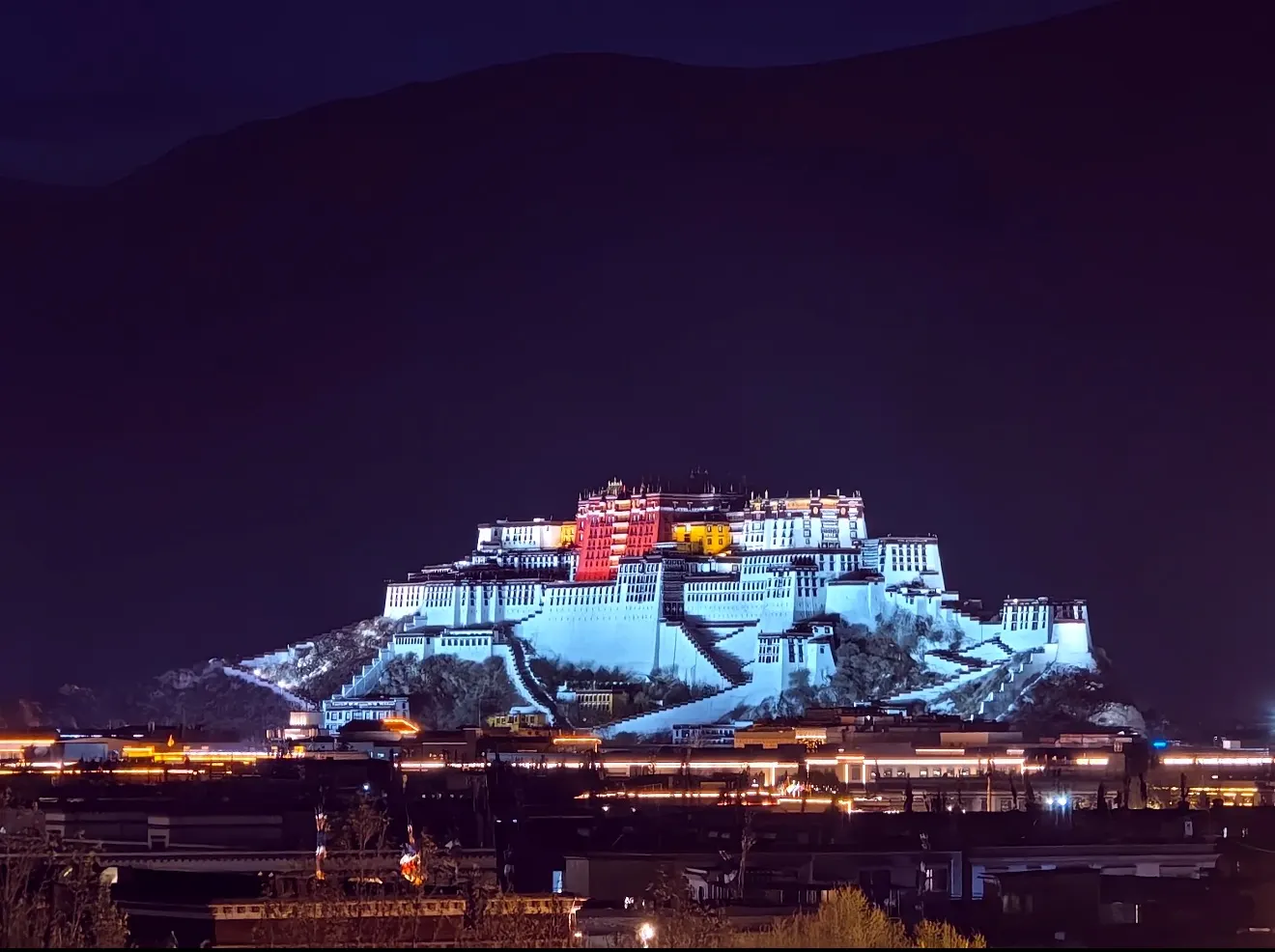
📚 UNESCO: Potala Palace World Heritage Site · Wikipedia: Tibetan Buddhism · Lonely Planet: Tibet · Wikipedia: Mount Kailash
Cultural Etiquette
Tibetan culture is deeply rooted in Buddhism and hospitality. A little awareness goes a long way in showing respect.
✓ Do's
- Walk clockwise around monasteries, stupas, and mani stones — always to the left
- Ask permission before photographing monks, locals, or inside temples
- Remove shoes before entering temples or homes
- Accept offerings (tea, food) with both hands — it's a sign of respect
- Smile and bow slightly when greeting — a gentle nod is the Tibetan way
- Give way to monks and elders in doorways and paths
- Dress modestly — cover shoulders and knees, especially in religious sites
- Support local artisans by buying crafts directly from Tibetan families
✕ Don'ts
- Don't point your finger at people or religious objects — use an open hand
- Don't touch someone's head — it is considered sacred in Tibetan Buddhism
- Don't sit on or step over religious texts, prayer flags, or mani stones
- Don't photograph inside temples without explicit permission (often banned)
- Don't step on the threshold of a temple — step over it
- Don't be loud or disruptive in monasteries or during ceremonies
- Don't discuss politics, especially Tibet-China relations, with locals
- Don't refuse an offering of tea or food — it's considered rude (a sip is fine)
Frequently Asked Questions
Everything you've wondered about traveling to Tibet — answered by our team of experts.
No. Foreign travelers must join an organized tour with a minimum of 2 people through a licensed travel agency. Independent travel is not permitted by law. We handle everything — permits, itinerary, guide, transport. You simply show up and experience Tibet.
Standard processing takes 15–30 working days. Some agencies offer expedited processing (10 working days). We recommend applying at least 45 days before your planned travel date to allow plenty of buffer time.
Yes, Tibet is extremely safe. Crime rates are among the lowest in the world. The main risk is altitude-related — proper preparation and acclimatization are essential. Your guide monitors everyone's health throughout the journey. Petty theft is rare but take normal precautions with valuables.
May through October is the prime travel season. September and October offer the best balance: crystal-clear skies, stunning autumn colors, stable weather, and optimal visibility for Everest and Kailash. May–June is excellent for cultural tours. July–August brings the Shoton Festival but also monsoon rain.
Yes, mandatory. Your travel insurance must cover emergency evacuation (helicopter rescue) and high-altitude trekking up to 5,500m. We can recommend trusted providers who specialize in high-altitude coverage. Never travel to Tibet without comprehensive insurance.
No mandatory vaccinations for Tibet, but standard travel vaccinations are strongly recommended: Hepatitis A & B, Typhoid, Tetanus, and routine shots. Consult your doctor or travel clinic 4–6 weeks before travel. Also consider altitude medication like Diamox (consult your doctor first).
Lhasa sits at 3,650m (12,000ft). Most visitors experience mild symptoms (headache, fatigue, shortness of breath — this is normal). Our itineraries include built-in acclimatization days. Severe altitude sickness is rare with proper preparation. We provide portable oxygen and pulse oximeters, and guides are trained to recognize warning signs early.
Major hotels in Lhasa accept credit cards, but most restaurants, shops, and smaller towns are cash-only. Bring Chinese Yuan (RMB) in cash. ATMs are available in Lhasa but may have withdrawal limits (~2,000–3,000 RMB per transaction). We recommend bringing enough cash for meals, souvenirs, tips, and incidentals.
Layers are everything. Thermal base layers, fleece mid-layer, windproof/waterproof jacket, warm hat, gloves, UV sunglasses, high-SPF sunscreen (50+), lip balm, reusable water bottle, and comfortable waterproof walking shoes. See our complete packing list above for full details.
No, tap water is not drinkable anywhere in Tibet. Always drink bottled or boiled water. We provide bottled water in our vehicles. For trekking, we recommend bringing a reusable bottle with a built-in filter. Avoid ice in drinks at smaller restaurants. Stick to hot tea (which is boiled) — a safe and culturally authentic choice.
Ready to Plan Your Tibet Journey?
You've read the guide — now let's make it happen. Tell us your dates and interests, and we'll craft the perfect itinerary with every permit arranged.