📖 Table of Contents
1. Tibet at a Glance — Four Seasons 2. Spring (April–May) — Blossoms & Monasteries 3. Summer (June–August) — Peak Season 4. Autumn (September–October) — BEST Time 5. Winter (November–March) — Budget & Solitude 6. Best Time by Destination 7. Major Tibetan Festivals 2026–2027 8. Frequently Asked QuestionsPlanning a trip to the Roof of the World? You've probably asked yourself: When is the best time to visit Tibet?
The short answer: May through October, with September–October being the absolute sweet spot — clear skies, mild temperatures, and fewer crowds than the summer peak.
But the "best" time really depends on where you want to go and what you want to do. The right season for a Lhasa cultural tour differs from the ideal window for a Kailash Mansarovar pilgrimage or an Everest Base Camp trek.
This guide breaks down every month of the year — weather, crowds, costs, festivals, and destination-specific advice — so you can book your 2026 or 2027 Tibet tour with total confidence.
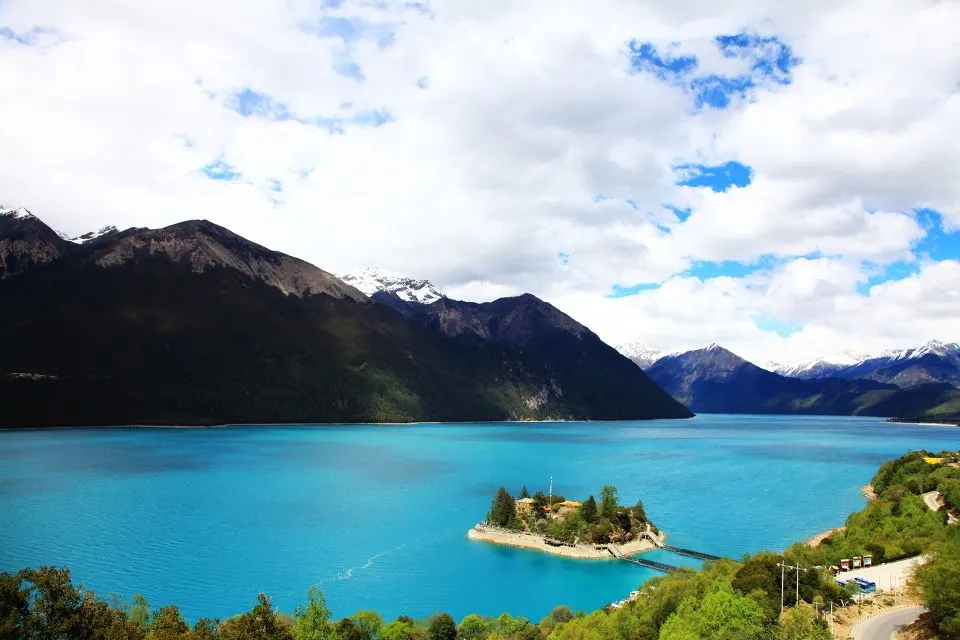
1. Tibet at a Glance — Four Seasons
| Season | Months | Weather | Crowds | Price | Best For |
|---|---|---|---|---|---|
| ❄️ Winter | Nov–Mar | Cold, sunny, little snow | Very Low | 💰 Budget | Solo travellers, photographers |
| 🌸 Spring | Apr–May | Mild, some rain/dust | Low–Moderate | 💰 Moderate | Lhasa culture, festivals |
| ☀️ Summer | Jun–Aug | Warm, monsoon rain | 🔥 High | 💰💰 Peak | Kailash, EBC, families |
| 🍂 Autumn | Sep–Oct | Clear, crisp, minimal rain | Moderate | 💰💰 Moderate | EVERYTHING — the sweet spot |
2. Spring (April–May) — Blossoms & Monasteries
Temperature range: 2°C – 16°C (36°F – 61°F)
Spring in Tibet is a time of renewal. The harsh winter cold fades, and the barley fields around Lhasa turn green. This is an excellent shoulder season for travellers who want good weather without peak-season prices.
April
Daytime temperatures in Lhasa reach 12–15°C, though nights dip near freezing. Days are sunny but occasional dust storms blow through. Pros: Very few tourists, lower prices on flights and accommodation. Cons: High passes like Karo La may still be closed, limiting access to some routes.
May
Arguably the best spring month. Days are warmer (16–18°C in Lhasa), and the famous Sagadawa Festival (marking Buddha's enlightenment) takes place — a vibrant time to see locals circling the Barkhor and prostrating at Jokhang Temple. Roads to Everest Base Camp and Namtso Lake reopen.
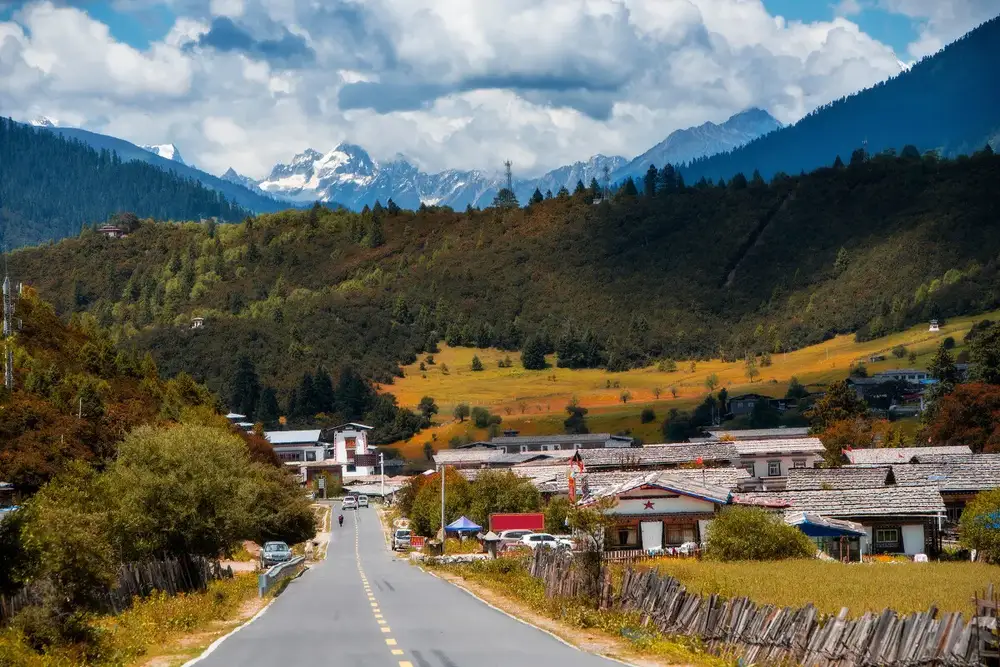
3. Summer (June–August) — Peak Season
Temperature range: 10°C – 24°C (50°F – 75°F)
Summer is Tibet's peak tourist season. The weather is warmest, oxygen levels are highest (helpful for altitude adaptation), and every route and trekking trail is fully accessible.
June
A great month — monsoon rains haven't fully arrived yet. Clear mornings with occasional afternoon showers. Ideal for the Kailash Mansarovar Yatra (the kora around Mount Kailash begins to open). Temperatures in Lhasa: 12–23°C.
July
Warmest and wettest month. Expect afternoon rain most days, especially in Lhasa and Shigatse. However, rain brings vivid green landscapes and wildflowers across the Tibetan plateau. This is the peak month for overland Kailash journeys from Kathmandu via Nepal.
August
Similar to July — warm and rainy. The annual Shoton Festival (Yogurt Festival) in Lhasa is a highlight, featuring giant thangka unveilings and Tibetan opera performances at Norbulingka Palace. Book early — this is the busiest month.
4. Autumn (September–October) — THE BEST TIME
Temperature range: 5°C – 18°C (41°F – 64°F)
If you can only visit Tibet once, come in autumn. This is when Tibet truly shines: crystal-clear skies, golden sunlight on the mountains, and almost no rain.
September
Perfect weather across the plateau. The monsoon has ended, leaving behind fresh air and stunning visibility. Daytime temperatures in Lhasa: 15–20°C. This is the best month for Everest Base Camp — the mountain is visible nearly every day. Kailash kora conditions are at their best.
October
Days remain clear and pleasant, though nights get colder (near freezing). The autumn colours around Namtso Lake and Yamdrok Lake are breathtaking. By late October, the Kailash kora closes for the season and some high passes may see
5. Winter (November–March) — Budget & Solitude
Temperature range: -10°C – 10°C (14°F – 50°F)
Winter is Tibet's best-kept secret. Many travellers assume it's impossibly cold, but Lhasa enjoys over 250 hours of winter sunshine. The air is dry and crisp, and the Potala Palace and Jokhang Temple are nearly empty.
November–December
Cold but sunny. Daytime Lhasa temperature: 8–12°C. Most tourist facilities remain open. Major discounts on flights and hotels (up to 50% off peak rates). Not suitable for Everest Base Camp or Kailash (routes are closed).
January–February
The coldest months. Lhasa days: 6–9°C, nights: -10°C. The city is quiet and atmospheric — great for photographers and writers. The Losar (Tibetan New Year) in February/March is a spectacular cultural experience with prayer flags, ceremonies, and family gatherings. Note: Some restaurants and guesthouses close for the holiday.
March
Transition month. Days begin to warm (10–12°C). The Losar Festival often falls in March, making it an excellent month for cultural immersion. By late March, spring tours begin to operate.
6. Best Time by Destination
| Destination | Best Months | Notes |
|---|---|---|
| Lhasa City Tour | Apr–Oct | Year-round destination. Winter is cold but sunny with no crowds. |
| Potala Palace & Jokhang | Any month | Indoor sites unaffected by weather. Winter = no queues. |
| Everest Base Camp (EBC) | May–Sep | Best visibility: September. Route closed Nov–Mar. |
| Mt. Kailash Kora | Late May–Late Sep | Best conditions: |
| Namtso Lake | Jun–Sep | Road condition dependent. Closed in winter. |
| Yamdrok Lake | May–Oct | Accessible year-round but best in May and Oct for photography. |
| Shigatse & Tashilhunpo | Apr–Oct | Route to EBC passes through. Good spring to autumn. |
7. Major Tibetan Festivals 2026–2027
Timing your visit to coincide with a festival can transform your Tibet experience. Most festivals follow the Tibetan lunar calendar, so dates shift each year.
| Festival | Date (Approx.) | Location | Highlights |
|---|---|---|---|
| Losar (Tibetan New Year) | Feb–Mar 2027 | Lhasa, all Tibet | Prayer flags, ceremonies, family feasts, cham dances |
Saga Da | May–Jun | Lhasa, Mt. Kailash | Buddha's birth, enlightenment & parinirvana; circumambulation |
| Shoton (Yogurt Festival) | Aug | Lhasa (Norbulingka, Drepung) | Giant thangka unveiling, Tibetan opera, picnics |
| Ganden Ngachen (Ganden Thangka) | Jun–Jul | Ganden Monastery | Massive embroidered thangka display, prayer ceremonies |
| Bathing Week | Early Sep | All Tibet | Traditional river bathing for health & purification |
8. Frequently Asked Questions
Is Tibet worth visiting in winter?
Absolutely. Winter in Lhasa is sunny and dry, with 8–10 hours of daylight. You'll have the Potala Palace and Jokhang Temple nearly to yourself. Hotels cost 40–50% less than summer. The main limitation is that high-altitude treks (EBC, Kailash) are closed. Perfect for a city-focused Lhasa tour.
When is the Kailash Mansarovar Yatra season?
The Kailash kora (pilgrimage circuit) opens in late May and closes in early October. The best months are June and September. See our complete Kailash Mansarovar Yatra Guide for details.
When does Everest Base Camp close?
EBC is accessible by road from May through September. The Rongbuk Monastery guesthouse closes in winter. The best time for clear Everest views is September.
What is the rainy season in Tibet?
Tibet's monsoon runs from June to August, but don't expect tropical rain — it's mostly short afternoon showers. Mornings are usually clear. The rain actually makes the landscape greener and more beautiful.
Can I visit Tibet on a budget?
Yes! Winter (November–March) offers the best value: flights are 30–50% cheaper, hotels offer deep discounts, and permits are processed quickly with lower demand. Spring and autumn offer a good balance of reasonable prices and pleasant weather. See our Tibet Travel Guide for budget tips.
Do I need a permit to visit Tibet?
Yes — all foreign travellers need a Tibet Travel Permit (TTP) plus additional permits for certain areas like EBC and Kailash. We handle all permits for our guests. Visit our Tibet Travel Guide to learn more, or contact us for a free consultation.
Ready to Plan Your Tibet Journey?
Contact our Lhasa-based team for a free custom itinerary, permit guidance, and the best local rates. We've been crafting Tibet experiences since 2010.
👉 Get a Free Consultation